

Most dogs are mildly dehydrated without any obvious signs. Here's what water can't fix on its own.

TLDR: Key Takeaways About Dog Hydration
- Dogs need more than water to stay fully hydrated. Electrolytes are essential for fluid balance at the cellular level.
- Dry kibble contains only 8–10% moisture; a dog eating kibble alone is starting every day at a hydration deficit.
- Moisture-rich feeding (adding bone broth, wet food, or goat milk) meaningfully increases daily fluid and electrolyte intake.
- Signs of dehydration are often subtle and don't require obvious panting or a dry nose to be real.
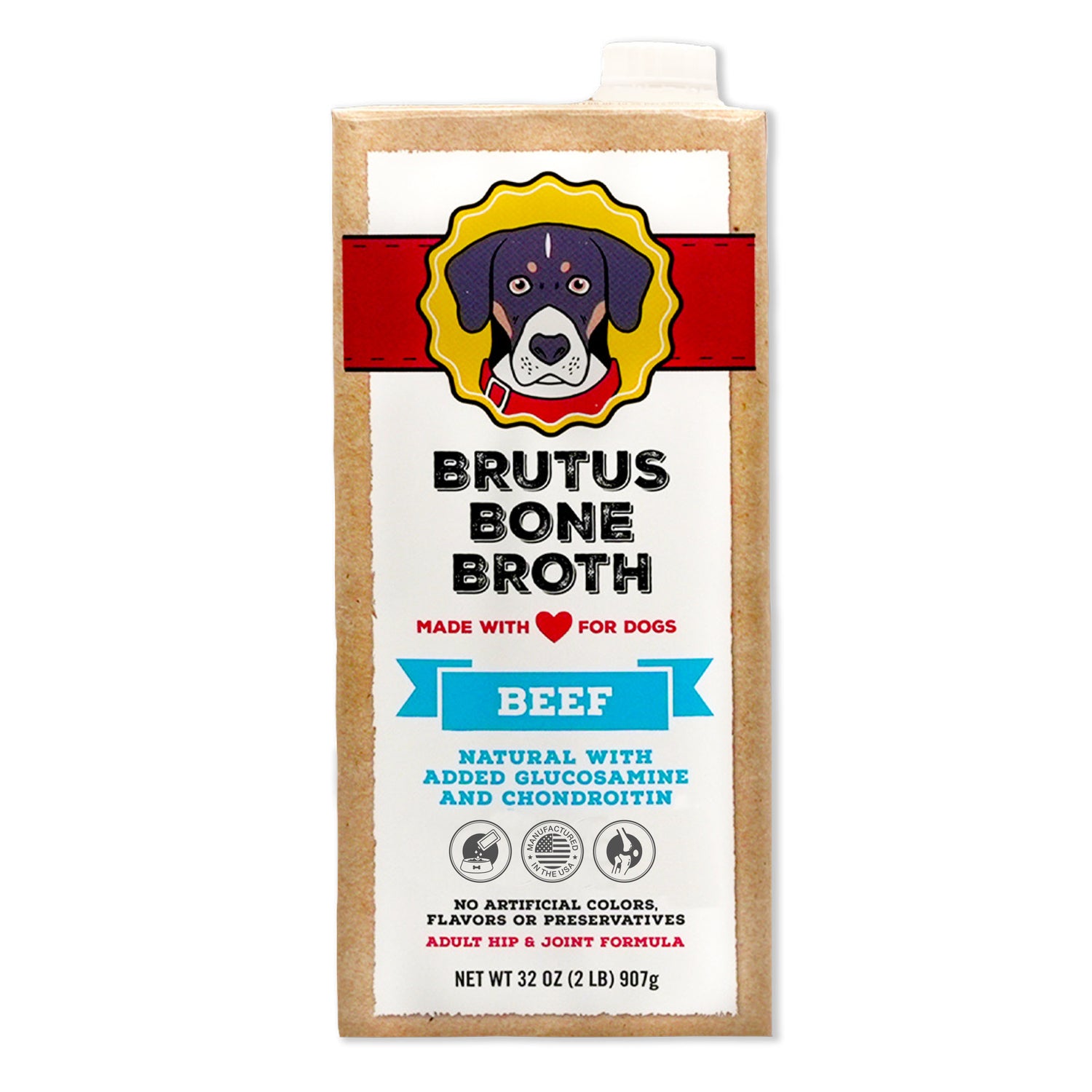
- Brutus Bone Broth is a hydrating topper that provides naturally occurring electrolytes, amino acids, and moisture in one step.
Yes, your dog needs water. But water alone is not always enough to keep them fully hydrated. Dog hydration is about more than just liquid intake. It's about electrolyte balance, the moisture content of food, and whether your dog's cells are actually absorbing and retaining the fluids they ingest. For most dogs eating dry kibble, mild dehydration is more common than most pet parents realize, and the signs are easy to miss.

Is My Dog Dehydrated? Signs to Know
The standard advice is to check the skin tent test (like you would do on human skin) or look for a dry nose, but that only catches moderate to severe dehydration. Mild, chronic dehydration in dogs often shows up as:
- Low energy or lethargy without a clear cause
- Dull or dry coat
- Reduced appetite or reluctance to eat kibble
- Thick, ropy saliva
- Slightly sunken eyes
- Darker-than-usual urine
According to the American Kennel Club, dogs should consume approximately one ounce of water per pound of body weight daily. So, for example, a 50 lb dog needs about 50 oz (or about six cups) of water, every day. Most dogs eating dry kibble fall short of this without their owners ever even knowing.
Why Water Alone Isn't Enough
Water moves fluids through the body, but electrolytes such as sodium, potassium, chloride, magnesium, and calcium are what allow cells to absorb and retain those fluids. Without the right electrolyte balance, water passes through your dog’s system without being properly utilized at the cellular level.
Think of it like a sponge with a coating that repels liquid: your dog can drink plenty of water, but if electrolytes are depleted from heat, exercise, stress, illness, or a low-nutrient diet, the body can't hold onto hydration the way it should. Research published in the Journal of Veterinary Internal Medicine highlights that electrolyte imbalances in dogs are associated with a wide range of clinical signs, from mild fatigue to cardiac and muscle dysfunction in severe cases.
The Hydration Problem with Dry Kibble
Dry kibble contains roughly 8-10% moisture. Raw and fresh food diets typically contain 70–80% moisture, close to the moisture content of prey that dogs evolved eating. Wet food lands around 75-78%. When a dog's entire diet is kibble, they're relying solely on their water bowl to make up a significant gap.
This is where moisture-rich feeding comes in. Moisture-rich feeding is the practice of increasing the water content of your dog's meals through additions like wet food mixers, bone broth toppers, or goat milk without necessarily overhauling the entire diet. It's a practical middle ground for kibble-fed dogs that meaningfully increases total fluid intake over the course of a day.
A study in PLOS ONE found that dogs fed wet or moisture-supplemented diets had significantly higher total water intake and better urinary health markers than those on dry food alone, evidence that what's in the bowl matters as much as what's in the water dish.
How Bone Broth Supports Dog Hydration
Bone broth for dogs has gained real traction in the pet nutrition world, and for good reason. Beyond bone broth helping boost palatability to help with picky eaters, a quality bone broth provides:
- Naturally occurring electrolytes: potassium, phosphorus, sodium, and magnesium from slow-simmered bones help restore the mineral balance that supports cellular hydration.
- Glycine and glutamine: amino acids that research links to strengthening the intestinal mucosal barrier. This is important because a compromised gut lining reduces nutrient and fluid absorption.
- High moisture content: added directly to kibble or served as a standalone drink, bone broth meaningfully increases total daily fluid intake.
- Collagen and gelatin: bone broth supports joint lubrication and connective tissue, which depends on adequate hydration to function.
Brutus Broth is made from 100% human-grade ingredients with no onion, garlic, or artificial additives; all common concerns when evaluating whether a broth is actually safe for dogs. As a bone broth topper, it can be poured over kibble to increase moisture and palatability, served as a hydrating drink between meals, or used as a base for homemade frozen hydration treats.

Adding Goat Milk to the Hydration Routine
Goat milk for dogs is another moisture-rich option that doubles as a probiotic source. Goat milk is naturally high in moisture, contains live enzymes and beneficial bacteria that support gut health, and is generally easier to digest than cow's milk due to smaller fat globules and lower lactose content.
Rotating goat milk and bone broth across the week (one as a morning topper, the other as an evening topper) gives dogs both hydration and gut microbiome support without repetition. Goat Milk by Brutus Broth is shelf-stable until opened, making it a practical pantry staple.
Simple Ways to Increase Your Dog's Hydration Today
- Pour bone broth over kibble at mealtime. The moisture and aroma also helps picky eaters who won't eat dry food on its own.
- Serve bone broth in a bowl (warm or cold) between meals as a mid-day hydration ritual, especially during warmer months or after exercise.
- Freeze bone broth in silicone molds for a hydrating summer treat.
- Add a splash of goat milk to your dog's water bowl, the natural sweetness encourages more frequent drinking.
- Switch at least one meal per day to a moisture-rich format: wet food, raw, or a kibble + broth combination.
Frequently Asked Questions About Dog Hydration
Is my dog dehydrated if they're drinking water? Not necessarily. A dog can drink water regularly and still be mildly dehydrated; if their diet is low in moisture, if they're losing fluids faster than they're replacing them (heat, exercise, stress), or if they lack the electrolytes needed to retain fluids at the cellular level.
Can dogs have too much bone broth every day? Bone broth is gentle and low in calories, but like any supplement, moderation matters. For most dogs, 1-2 oz per 10 lbs of body weight daily is a reasonable guideline. Dogs on sodium-restricted diets should check with their vet first, as broths vary in sodium content.
What is moisture-rich feeding? Moisture-rich feeding refers to increasing the water content of your dog's meals through additions like bone broth, wet food, goat milk, or fresh food. It's a practical approach for kibble-fed dogs that boosts total daily fluid intake without a full diet overhaul.
Is bone broth good for dogs? Yes, quality bone broth for dogs provides hydration, naturally occurring electrolytes (potassium, phosphorus, magnesium), gut-lining amino acids like glycine and glutamine, and collagen, all from a single ingredient. The key is choosing a dog-safe broth without additives that are harmful to dogs, like onion and garlic.
Is goat milk safe for dogs? Yes! Goat milk is generally well-tolerated by dogs and easier to digest than cow's milk. It provides moisture, probiotics, and natural enzymes that support the gut microbiome. Dogs that are sensitive to dairy should start with a small amount to assess tolerance.
How do I know if my dog needs more hydration? Common signs your dog may need more hydration are: low energy, dry or dull coat, darker urine, reduced appetite, or thick saliva. If you're feeding dry kibble as the sole diet, adding a moisture-rich element at each meal is a practical first step. Consult your veterinarian if symptoms are persistent or severe.