

A Collaborative Inside-Out Skincare Guide | Brutus Broth × Shameless Pets
If your dog is constantly scratching, biting their paws, or dealing with a perpetually dull and flaky coat, your first instinct might be to book an emergency grooming appointment or reach for another medicated oatmeal shampoo. But here’s what veterinary nutrition science tells us: grooming cannot fix a skin problem that starts on the inside. Chronic itchy skin in dogs is most often a symptom of an internal imbalance, and the most powerful place to address it is in their food bowl.
TLDR: Key Takeaways About Dog Itchy Skin and Diet
- Topicals are temporary: Shampoos treat only the outermost layer of dead skin cells. True skin health is built from within through cellular nutrition.
- The gut-skin axis is clinically documented: A compromised gut barrier allows systemic inflammation to surface as itching, flaking, and dull coat.
- Dehydration worsens skin: Chronically dry skin is brittle and highly permeable to allergens. Bone broth delivers functional hydration that water alone often can’t.
- Three-pronged nutritional approach: Pairing a skin-nourishing omega topper, a gut-restoring probiotic broth, and prebiotic-rich treats addresses all three root causes of chronic canine skin issues (omega deficiency, gut barrier dysfunction, and microbiome imbalance) at the same time.
- Expect results in 4-8 weeks: Skin cell turnover is gradual. Consistency with nutrition is the key ingredient.

What Really Causes Chronic Itchy Skin in Dogs?
Every dog scratches occasionally. But when the scratching is constant (when your dog is biting their paws, developing hot spots, or their coat looks perpetually dull and flaky) the root cause almost always runs deeper than dirty fur or a seasonal allergen.
Chronic skin problems in dogs are frequently a sign of internal imbalance. The skin is your dog’s largest organ, and it requires a continuous supply of protein, fatty acids, and cellular hydration to maintain its protective barrier. When that supply is disrupted through poor gut health, nutritional deficiency, or chronic dehydration, inflammation breaks through to the surface, and the coat is where it shows first.
This is why grooming, while essential for hygiene and coat maintenance, cannot resolve a skin problem that originates inside the body. It can mask symptoms temporarily, but lasting relief requires looking at what’s in your dog’s bowl.
What Is the Gut-Skin Axis? (And Why It Explains Your Dog’s Scratching)
The gut-skin axis is a scientifically documented bidirectional communication system between the gastrointestinal tract and the skin. Research in veterinary immunology confirms that the health of a dog’s gut microbiome directly influences the integrity of the skin barrier.
When a dog’s gut is healthy, and its microbiome is balanced, the intestinal lining acts as an effective filter, keeping inflammatory compounds contained. But when a dog’s gut health is compromised through poor diet, stress, antibiotic use, or nutritional deficiency, the intestinal barrier weakens. This allows inflammatory molecules and bacteria to enter the bloodstream, where they show up in the skin as itching, redness, excessive shedding, hot spots, and dandruff.
In a nutshell: to fix your dog’s coat, you first need to heal their gut.

What Your Dog's Coat Is Trying to Tell You
Outside of reaching for a special dog shampoo or booking a grooming appointment, it's worth reading about what your dog's coat is actually signaling. Most chronic coat issues are external symptoms of an internal imbalance and each one points to a different root cause:
- Dull, lackluster coat with no shine: Usually the first sign of omega fatty acid deficiency. Research on dietary oil supplementation in dogs confirms that the skin isn't producing enough lipids to coat each hair shaft which is what creates visible sheen. This is a dietary gap, not a grooming one.
- Excessive shedding beyond seasonal norms: Often tied to gut barrier dysfunction. When the intestinal lining becomes permeable, systemic inflammation increases and one of the first places it shows up is the hair follicle, disrupting the normal growth cycle.
- Dry, flaky skin (aka dandruff): A sign the skin barrier is compromised and losing moisture faster than it can retain it. Nutritional deficiencies in fatty acids and protein are among the most common dietary contributors to impaired barrier function.
- Greasy or oily coat with an odor: Frequently linked to skin microbiome imbalance. Malassezia yeast overgrowth, often fueled by a disrupted gut, triggers overproduction of sebum and a persistent smell that bathing alone doesn't resolve.
- Red, irritated skin or recurring hot spots: The clearest signal of systemic inflammation. In many cases this traces back to a leaky gut allowing inflammatory compounds to circulate through the bloodstream and show up at the skin's surface.
If your dog is showing more than one of these signs at the same time, that's a strong indicator the issue is nutritional or gut-related rather than topical, and exactly what the three-pronged nutritional approach is designed to address.
Omega Fatty Acids: The Skin Barrier’s Building Blocks
The skin’s protective function depends on its lipid layer, a barrier built largely from fatty acids that locks in moisture and blocks out allergens. When dogs are deficient in omega-3s and omega-6s, that layer thins, and symptoms such as a dull coat, persistent flaking, and itching that no shampoo resolves become prominent. The most direct way to address this deficiency is through the diet (not topicals). Brutus Broth’s Skin & Coat Mega Pack delivers DHA, EPA, and Omegas 3, 6, and 9 through marine microalgae oil, a cleaner, more sustainable source than fish oil that’s odor-free while delivering the same fatty acid profile directly to the skin barrier.

Probiotics: Restoring the Gut-Skin Connection
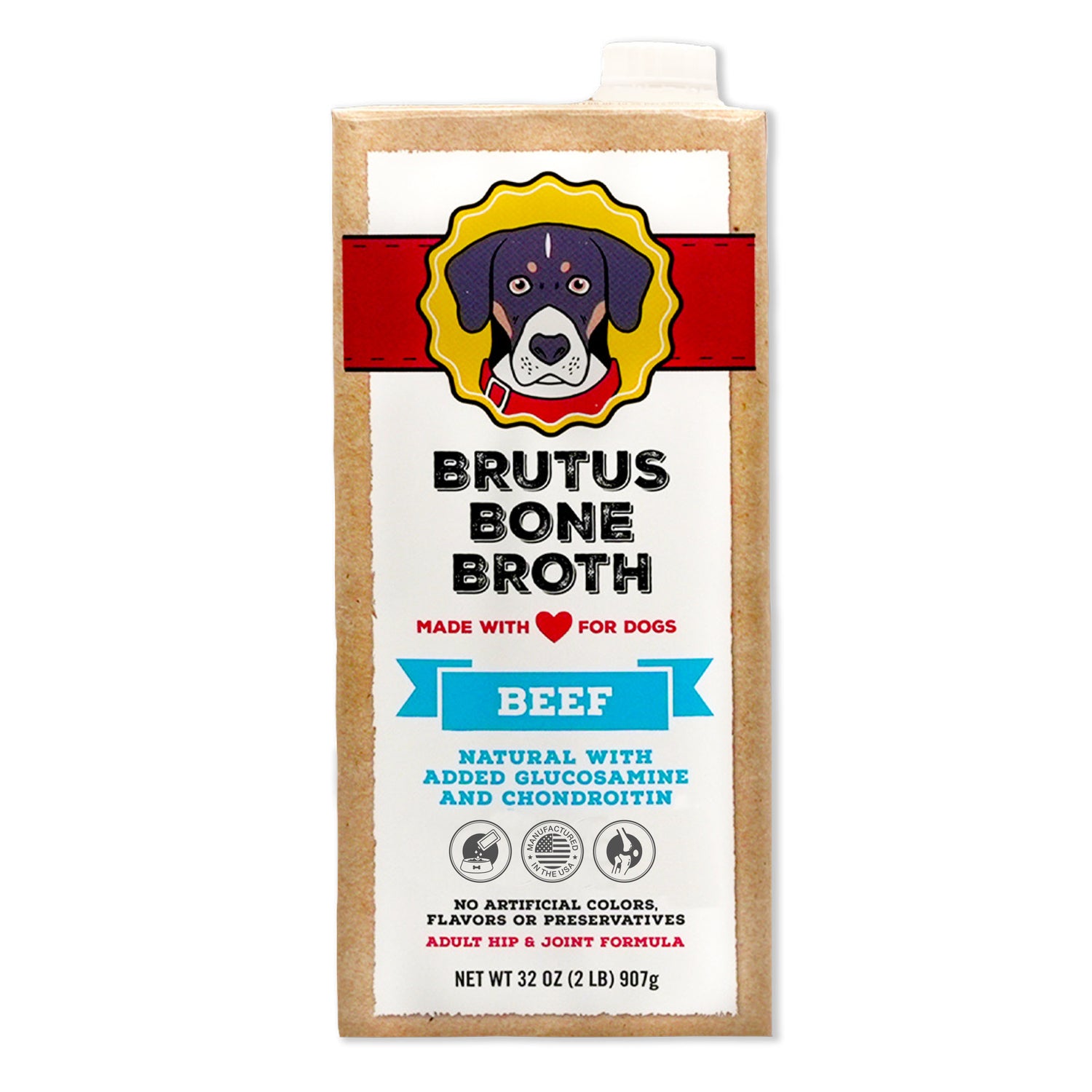
The gut-skin connection is well-documented in veterinary research: a compromised microbiome leads to a thinner gut lining, systemic inflammation, and skin symptoms that topical treatments can’t reach. Restoring the gut microbiome is where the work actually happens. Brutus Broth’s Probiotic Mega Pack delivers 250 million CFUs of microencapsulated, dog-specific probiotic strains and is formulated to survive digestion as well as arrive active. The broth base also provides glycine and glutamine, amino acids demonstrated in canine intestinal studies to reinforce the intestinal lining. In Brutus Broth’s clinical study, over 70% of dog owners saw a shinier, softer coat within 4 weeks of consistent use.
Treats That Reinforce Rather Than Undermine
Most dogs get treats every day. The question is whether those treats are working with your skin goals or against them. Bananas for Bacon brings prebiotic banana fiber and flaxseed that feed beneficial bacteria without the artificial fillers that frequently trigger dietary skin reactions. Reelin’ Salmon Meaty Tenders deliver additional omega-3s from real salmon, reinforcing the skin barrier work happening at the meal level. Neither is a daily supplement requirement, but both make treat moments significantly more functional.

How Long Does It Take to See Skin Improvements from Diet Changes?
This is one of the most common questions from dog parents starting a nutritional skin routine. The timeline has two phases:
- Within days: Gut and digestive improvements are usually the first signs of progress. Better stool quality, less gas, and improved appetite are early indicators the routine is working.
- Weeks 2-4: Many dog parents report reduced scratching and paw-biting as gut inflammation decreases and the skin barrier begins to rebuild. A double-blind RCT in dogs found a 46.4% reduction in owner-reported pruritus scores by day 60 of consistent omega-3 supplementation.
- Weeks 4–8: Coat texture and sheen typically begin to visibly improve as newly nourished skin cells replace older ones. In Brutus Broth’s clinical study, over 70% of participants saw a noticeably shinier, softer coat within 4 weeks of consistent broth use. A peer-reviewed 16-week study on dietary oil supplementation in healthy adult dogs confirmed significant improvements in coat softness, shine, and follicle density over the same timeframe.
The key is consistency. Unlike a topical treatment, nutritional repair is cumulative. The longer and more consistently you maintain the routine, the more durable and lasting the results.
Frequently Asked Questions
What nutrient deficiency causes itchy skin in dogs?
The most common nutritional contributors to chronic itchy skin in dogs are omega-3 fatty acid deficiency, inadequate protein intake, and poor gut microbiome health. Omega-3s from sources like salmon maintain the skin’s lipid barrier; protein provides the amino acids needed for skin cell renewal; and a balanced gut microbiome prevents the systemic inflammation that surfaces as itching and irritation.
Can bone broth help with dog skin allergies?
Bone broth supports allergy-related skin symptoms indirectly by strengthening the gut barrier and improving hydration, both of which reduce the underlying inflammatory response that drives allergic skin reactions. While it is not a treatment for the root allergy itself, consistent use over 4-6 weeks has been shown to meaningfully reduce symptom severity.
How long does it take for diet to improve a dog’s coat?
While digestive improvements can appear within days, visible coat improvements typically take 4 to 8 weeks of consistent nutritional changes. Skin cells take time to regenerate; the new, nutrient-supported cells gradually replace older ones. Results are cumulative, so patience and consistency are essential.
Can I give these products to a dog with a sensitive stomach?
Yes. Both Reelin' Salmon Meaty Tenders and Bananas for Bacon Soft Baked Treats are formulated to be gentle on sensitive digestive systems. Introducing them gradually alongside the moisture-rich hydration of bone broth helps ensure a smooth transition with minimal digestive disruption.
Should I stop taking my dog to the groomer if they have skin issues?
Absolutely not. Regular grooming remains essential for removing dead hair, clearing external debris, checking for skin irregularities, and maintaining nail health. Think of it this way: your groomer handles the surface, polish and maintenance. Your dog’s food bowl does the deep repair work.
How is this different from just giving my dog fish oil?
Fish oil delivers omega-3 fatty acids, but it doesn’t address the gut barrier or microbiome, the other two major root causes of chronic skin problems. This approach addresses all three root causes simultaneously. Additionally, Brutus Broth and Shameless Pets products use ingredient sources with significantly better palatability for most dogs compared to straight fish oil supplements.
The Bottom Line: Dog Skin Health Starts in the Bowl
Chronic itching, dull coats, and persistent skin flaking are rarely just surface problems. They’re your dog’s way of signaling an internal imbalance, most often in their gut. Grooming provides relief and hygiene, but it cannot rebuild a skin barrier from the outside in.
By consistently combining Brutus Broth's Skin & Coat Mega Pack which delivers omegas 3, 6, and 9 through marine microalgae with the Probiotic Mega Pack featuring gut-restoring probiotic strains, and reinforcing with Shameless Pets' Reelin' Salmon Meaty Tenders and Bananas for Bacon Soft Baked Treats, you give your dog's skin the tools it needs to heal from within.
Grooming is the finish. Nutrition is the foundation.