

While fiber is not a strictly essential nutrient for canine survival like protein or fat, it provides critical functional benefits for digestive health, blood sugar regulation, and weight management. By supporting the gut microbiome and improving stool quality, high-quality fiber sources act as a gentle daily helper for long-term canine wellness.
Written by Lindsey Testerman, Certified Canine & Feline Nutrition Specialist. Lindsey holds dual certifications in canine and feline nutrition and brings over a decade of experience formulating species-appropriate diets for companion animals.
Fiber is everywhere right now. High-fiber superfood snacks, prebiotic supplements, gut-health gummies. Highlighted for long-term wellness in humans’ gut health and metabolism, the wellness world can’t stop talking about fiber. In humans, dietary fiber plays a major role in heart health, blood sugar regulation, and long-term disease prevention.
So naturally, we find ourselves looking at our pups and wondering: Does my dog need fiber too? Or even.. is fiber good for dogs?

TLDR: Key Takeaways about Fiber and Your Dog
- Fiber is not a required nutrient for dogs to survive, but it offers massive functional benefits for their daily quality of life.
- Moderate amounts can support stool quality, gut microbiome balance, and appetite control.
- Different types of fiber (soluble vs. insoluble) serve different roles in the digestive tract.
- Whole foods like pumpkin and green beans are excellent, but formulated fibers (like beet pulp) provide more predictable results in a balanced diet.
- Always introduce fiber gradually — start with a teaspoon for small dogs or a tablespoon for large dogs, and increase slowly over 1–2 weeks to avoid gas, bloating, or loose stools.
Does My Dog Really Need Fiber?
When it comes to dogs, the story is a little different. Technically, fiber is not classified as an essential nutrient for dogs by the National Research Council in the same way as protein, fat, vitamins, or minerals.
However, decades of veterinary nutrition research prove that fiber plays a critical functional role in how your dog feels day to day. Fiber for dogs is a type of carbohydrate that supports digestion by regulating stool consistency and feeding beneficial gut bacteria. While they don't need it to survive, the right types of fiber support:
- Digestive regularity by regulating gastrointestinal transit.
- Stool quality and consistency
- Satiety and weight management by helping pups feel full.
- Gut microbiome support by fueling beneficial bacteria.
In other words, dogs don’t require fiber to survive, but incorporating the right fiber-rich foods into your dog’s routine can meaningfully support how your dog feels day to day. You can think about fiber for your dog as a gentle daily helper. It keeps things moving, supports a healthy weight, and nourishes the trillions of little microbes living in your dog’s gut.

More Than Just Poop: The Blood Sugar Connection
Fiber isn’t just about keeping things moving; it’s a functional tool for metabolic health. Research published in the Journal of the American Veterinary Medical Association (JAVMA) highlights how certain soluble fibers can actually slow down glucose absorption. This helps moderate post-meal blood sugar levels, providing a more stable "glycemic response" that keeps your pup’s energy levels even throughout the day.
What's the Difference Between Soluble and Insoluble Fiber for Dogs?
Fiber isn't just one thing; it’s a category of compounds with different effects in the body. According to research in the Journal of Animal Science, we typically look at two main dimensions:
1. Solubility
- Soluble fiber: Dissolves in water and slows digestion—perfect for firming up loose stools.
- Insoluble fiber: Adds bulk and can speed up intestinal transit for those who need help staying regular.
2. Fermentability
Fermentable fibers are broken down by gut bacteria to produce short-chain fatty acids (SCFAs) like butyrate.
These SCFAs are gut-health superstars that:
- Support intestinal cell health.
- Maintain the gut barrier.
- Reduce intestinal inflammation.
Moderately fermentable fibers are often considered the "sweet spot" because they support beneficial bacteria without causing the excessive gas seen with highly fermentable sources.
How Does Fiber Affect a Dog's Gut Microbiome?
Like yourself, your dog is a metabolically flexible omnivore, meaning they have the specialized ability to utilize nutrients from both animal and plant sources. The canine gut microbiome (trillions of microorganisms) plays a central role in immune function and overall health.
A 2024 study in Animals found that fiber-supplemented diets increased populations of beneficial bacteria like Bifidobacterium and Faecalibacterium. These microbes are the frontline of your dog's immune function and overall wellness.
The benefits of fiber go deeper than digestion, though. Fiber for dogs is also about protection. When your dog's gut bacteria ferment fiber into Short-Chain Fatty Acids (SCFAs), they produce a compound called butyrate. As detailed in the journal Cell, these SCFAs are the primary fuel for intestinal cells and are essential for maintaining a strong gut barrier (and reduced intestinal inflammation). This "invisible shield" helps reduce intestinal inflammation and keeps the immune system in tip-top shape.
5 Dog-Safe Whole Food Sources of Fiber
It’s worth noting why certain fibers appear in high-quality kibbles. Formulated fibers like beet pulp or psyllium are often used in professional formulations because they provide more predictable physiological effects than whole foods alone. Using a mix of both whole food treats and a precisely balanced base diet gives your dog the best of both worlds. Here are 5 dog-safe whole food sources of fiber you can give your dog at home:
- Pumpkin: The gold standard. A mix of soluble and insoluble fiber that supports stool consistency.
- Sweet Potato: Provides fiber plus vitamins and carotenoids. Serve cooked and plain.
- Carrots: Low-calorie, crunchy, and packed with micronutrients.
- Green Beans: A go-to for weight management because they add bulk without the calories.
- Apples (no seeds/core): Contain pectin, a soluble fiber that fuels good gut bacteria.
While a spoonful of pumpkin can work wonders for occasional "tummy troubles," it isn't a cure-all. If your dog is experiencing persistent diarrhea, lethargy, or a total loss of appetite, skip the fiber and call your vet. Chronic symptoms need a professional evaluation to rule out underlying issues that fiber alone can't fix
Tailoring Fiber: Insights for Specific Breeds
While every dog has a gut microbiome that supports immune function, different breeds often face unique metabolic challenges where fiber can be a strategic tool.
- Weight-Prone Breeds (Labradors, Beagles, Pugs): These breeds are often highly motivated by food and prone to obesity. Using fiber to increase satiety, the feeling of being full, is a game-changer for weight management. Insoluble fiber adds calorie-free bulk to their meals, helping them feel satisfied without over-consuming calories.
- Digestively Sensitive Breeds (German Shepherds, Great Danes): Large breeds are often prone to poor stool quality. For these dogs, moderately fermentable fibers are the sweet spot, as they support beneficial bacteria like Bifidobacterium without causing the excessive gas often seen in highly fermentable sources.
- Brachycephalic Breeds (French Bulldogs, Boxers): Known for sensitive systems and flatulence, these dogs benefit from fiber that maintains a strong gut barrier and reduces intestinal inflammation. A careful balance of soluble fiber can help firm up loose stools, making daily cleanup much easier for the pet parent.

Life-Stage Specifics: From Puppies to Seniors
A dog’s nutritional requirements shift as they age, and their fiber intake should follow suit to ensure fiber remains an asset rather than a liability.
- Puppies (The Growth Phase): Caution is required here. Because fiber can reduce the digestibility of other nutrients and lower the caloric density of a meal, it may not be ideal in high amounts for growing dogs who need every calorie for development. For puppies, fiber should be kept at moderate levels to ensure they are absorbing the protein and fats essential for growth.
- Adult Dogs (The Maintenance Phase): The goal for adults is metabolic health and consistency. Fiber helps moderate post-meal blood sugar levels, providing a stable glycemic response that keeps energy levels even throughout a dog's most active years.
- Senior Dogs (The Golden Years): As dogs age, their gastrointestinal transit can slow down. Insoluble fiber can help "speed up" transit for seniors who struggle with regularity. Furthermore, because metabolic health becomes more critical with age, the role of soluble fiber in slowing glucose absorption can be a vital tool for long-term wellness in aging pups.
How Much Fiber Does a Dog Need?
More fiber isn't always better, especially for your dogs. Introducing too much fiber too quickly for our furry friends can:
- Cause gas, bloating, or loose stools.
- Reduce the digestibility of other nutrients.
- Lower caloric density (which may not be ideal for active or growing dogs).
The goal when it comes to fiber for dogs is moderation. Start with a small amount, a teaspoon to a tablespoon depending on your dog's size, and monitor their stool quality.
Pair with Hydration
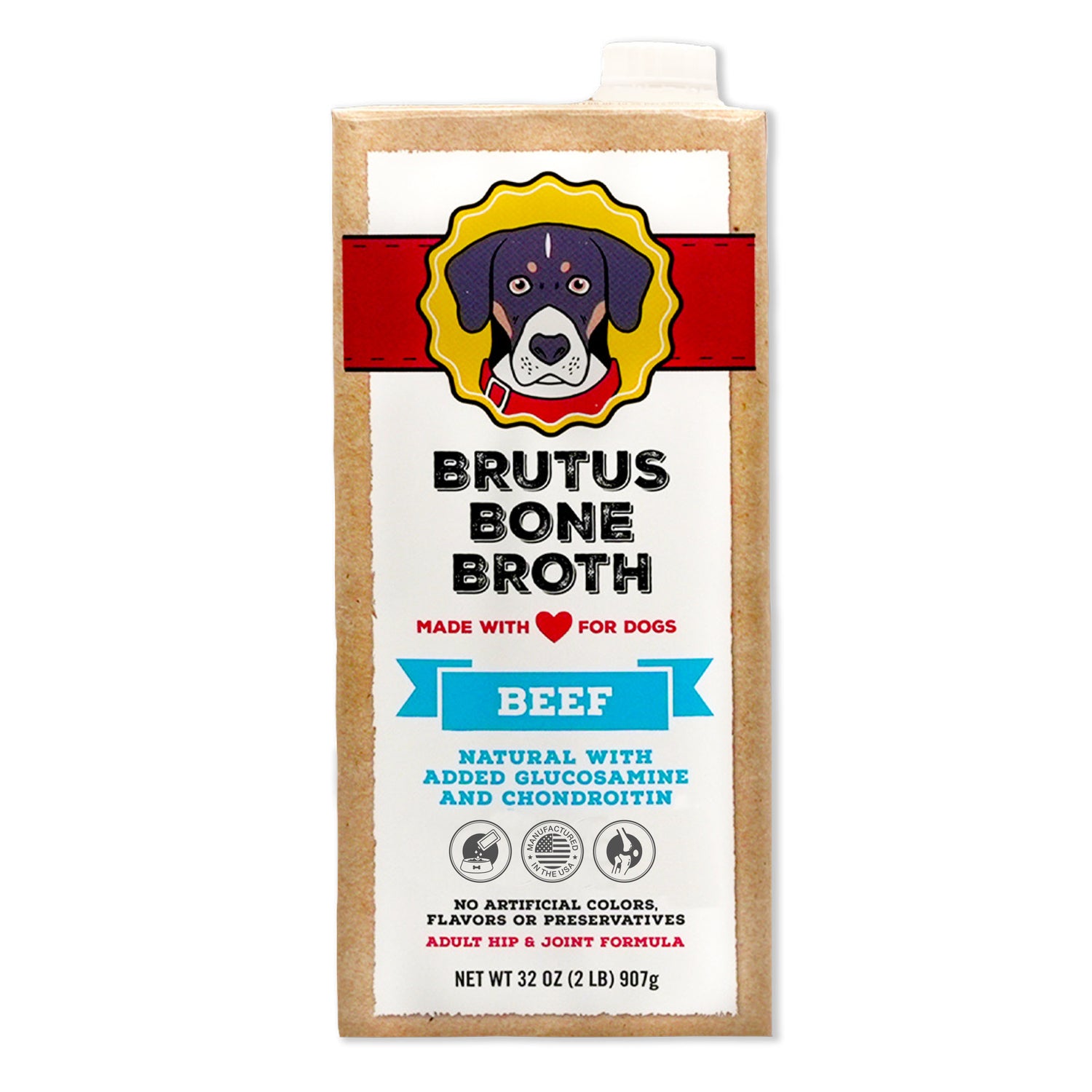
One practical tip: fiber needs water to do its job effectively. Without adequate moisture, even the best fiber sources can cause constipation rather than relieve it. Adding a moisture-rich food topper — such as bone broth for dogs or goat milk supports hydration and makes the meal extra palatable. — is a simple way to support hydration and make fiber-rich additions more palatable for picky eaters.

Fiber + Hydration in Practice
To understand how hydration and fiber work together in practice, we ran a 4-week observational study tracking how a moisture-rich food topper affected key wellness indicators in dogs from stool quality to coat condition to energy levels. The results were worth a closer look. [Read the full findings →]
Frequently Asked Questions About Fiber for Dogs
- Do dogs need fiber every day? While not classified as essential, most complete and balanced diets include it for its functional benefits. Consistent, moderate intake is generally more beneficial than occasional large amounts.
- What is the best fiber? There is no single "best" fiber; different types serve different roles. Whole foods are great for home additions, while formulated fibers are used for targeted clinical outcomes.
- Is pumpkin good for dogs with diarrhea? Pumpkin may help support stool consistency, but responses vary. Persistent symptoms should always be evaluated by a veterinarian.
- Can I add fiber to a prescription diet? Always consult your veterinarian first. Prescription diets are carefully formulated, and additions may interfere with their intended therapeutic effect.
- Can too much fiber hurt my dog? Yes — excess fiber can reduce the digestibility of protein and fat, lower caloric density, and cause gas, bloating, or diarrhea. More is not always better; consistent moderate amounts are the goal.
- What fiber is best for dogs with diarrhea? Soluble fiber — found in pumpkin, psyllium husk, and pectin-rich foods like apples — is generally the best choice for loose stools, as it absorbs excess water and helps firm up the stool. Always rule out underlying illness with your vet if diarrhea persists beyond 24–48 hours.
- Is beet pulp safe for dogs? Yes. Beet pulp is a moderately fermentable fiber that is widely used in commercial dog foods. It is not the same as feeding your dog whole beets — in its processed form, the sugar content is minimal, and it is well-tolerated by most dogs.
- How do I know if my dog’s diet already has enough fiber? Check your dog’s food label for crude fiber percentage. Most complete and balanced commercial diets contain 2–5% crude fiber, which is adequate for most dogs. If your dog consistently has loose or very hard stools, discuss dietary fiber levels with your veterinarian.
Your dog’s gut health starts with what’s in the bowl. By making small, consistent choices like adding the right types of fiber alongside a balanced diet, you can support your pup's digestive health from the inside out.